Trying to understand the Dallas real estate market can get confusing fast.
One article tells you the market is cooling.
Another says home prices are rising.
Then you look at a $300,000 house in one part of DFW, a $700,000 house in another suburb, and a $4 million property in Highland Park—and somehow they’re all being talked about as the “Dallas market.”
Here’s the problem:
There isn’t one Dallas real estate market.
There is the City of Dallas.
There is Dallas County.
There is the larger Dallas-Fort Worth Metroplex.
And within those areas are dozens of neighborhoods and suburbs with completely different price points, school districts, commute patterns, home styles and buyer demand.
That’s why I don’t believe a citywide statistic should ever be the only thing you use to make a real estate decision.
The numbers give us context.
The neighborhood and the individual property give us the strategy.
So whether you’re buying your first home, relocating to DFW, moving up, downsizing, investing or preparing to sell, here’s what you need to know about the Dallas-area housing market in 2026.
What Is the Dallas Housing Market Doing Right Now?
Let’s start with the City of Dallas.
For the three months ending June 2026, the median Dallas home sale price was approximately $489,733, up 4.6% compared with the same period a year earlier.
Homes sold in a median of approximately 41 days, compared with 39 days the previous year. About 2,950 homes sold during June.
But here’s where it gets interesting.
The average Dallas home was selling for approximately 97.3% of its asking price. Only 17.5% of homes sold above list price, while 38.7% of listings had experienced a price reduction.
What does that tell me?
Buyers have more room to think and negotiate—but good homes can still move quickly.
This is not the market where I would tell every buyer:
“Offer $50,000 over asking and waive everything.”
But it’s also not the market where I would tell you:
“Offer whatever you want because sellers are desperate.”
Neither approach makes sense.
The right strategy depends on:
- Neighborhood
- Price point
- Condition
- Days on market
- Comparable sales
- Seller motivation
- Competition
- Whether the home was priced correctly in the first place
That’s what today’s Dallas market requires:
strategy instead of assumptions.
City of Dallas vs. Dallas County vs. DFW
This distinction matters more than most buyers realize.
The City of Dallas had a roughly $490,000 median sale price in the three months ending June 2026.
Dallas County’s median sale price during the same period was much lower at approximately $374,000.
And Realtor.com data published through the Federal Reserve showed a July 2026 median listing price of about $395,450 for Dallas County, while the broader Dallas-Fort Worth-Arlington metro had a median listing price of approximately $439,000.
Same general part of Texas.
Very different numbers.
That is why someone searching:
“How much does it cost to buy a house in Dallas?”
needs a better answer than one median.
You could be shopping around $275,000 in Mesquite.
You could be around $450,000 in Richardson.
You could be around $700,000 in Coppell.
Or you could be looking at a multimillion-dollar estate in Highland Park.
All of those buyers may describe themselves as moving to “Dallas.”
They’re not shopping the same real estate market.
Is Dallas a Buyer’s Market in 2026?
I would describe many parts of the current market as more buyer-friendly than the extreme seller’s markets we experienced earlier in the decade—but not universally a buyer’s market.
Statewide, the Texas Real Estate Research Center reported 5.3 months of housing supply in May 2026, with inventory still elevated by historical standards. Researchers also found that affordability and higher mortgage costs continued to restrain demand, although the market appeared to be moving toward a more balanced footing.
Dallas itself shows similar signs of balance.
Homes were averaging around 3% below asking price, and nearly four out of ten listings had experienced price reductions. But Redfin still classified Dallas as somewhat competitive, and especially desirable homes could sell around list price much faster than the market average.
So instead of asking:
“Is this a buyer’s market?”
I want to ask:
“Is this particular house giving the buyer leverage?”
Those are not always the same thing.
What Dallas Buyers Have Going for Them Right Now
If you’re buying in 2026, there are some things working in your favor.
More listings mean more opportunities to compare homes instead of feeling forced to purchase the first acceptable property you see.
Longer marketing times can create negotiating opportunities.
Price reductions can help us identify motivated sellers.
And a home that has been sitting for several weeks may open conversations around:
- Purchase price
- Seller-paid closing costs
- Repairs
- Rate-buydown assistance
- Home warranties
- Closing timing
- Other negotiated terms
But there is a big warning here.
Don’t confuse negotiating leverage with permission to submit a bad offer.
Dallas remains neighborhood-specific.
A beautifully renovated home on the right street can still generate multiple offers.
A poorly priced house sitting for 75 days?
Completely different strategy.
My job is figuring out which situation we’re dealing with before we write the offer.
What Dallas Sellers Need to Understand
Sellers have to adjust too.
The days of saying:
“Let’s price it $75,000 high and see what happens.”
are a lot more dangerous when buyers have choices.
The statewide Texas market has been dealing with elevated inventory and more price sensitivity, while Dallas listings are currently averaging below asking price and a substantial percentage are seeing reductions.
That makes your first few weeks on the market especially important.
Buyers notice:
- Overpricing
- Deferred maintenance
- Dated condition
- Poor photography
- Bad presentation
- Homes that keep reducing their price
And once buyers begin asking:
“What’s wrong with it?”
you’ve created a harder marketing problem.
My goal isn’t simply to get your home listed.
It’s to position it so the right buyers understand why your home deserves its price.
That requires studying the exact neighborhood, competition and recent sales—not picking a price based on what somebody down the street hopes to get.
Which Dallas Area Fits Your Budget?
This is where the Dallas-area market gets much more useful.
Instead of sorting everything into one giant DFW home search, I would start by identifying your general price range and lifestyle.
Luxury Dallas: Highland Park
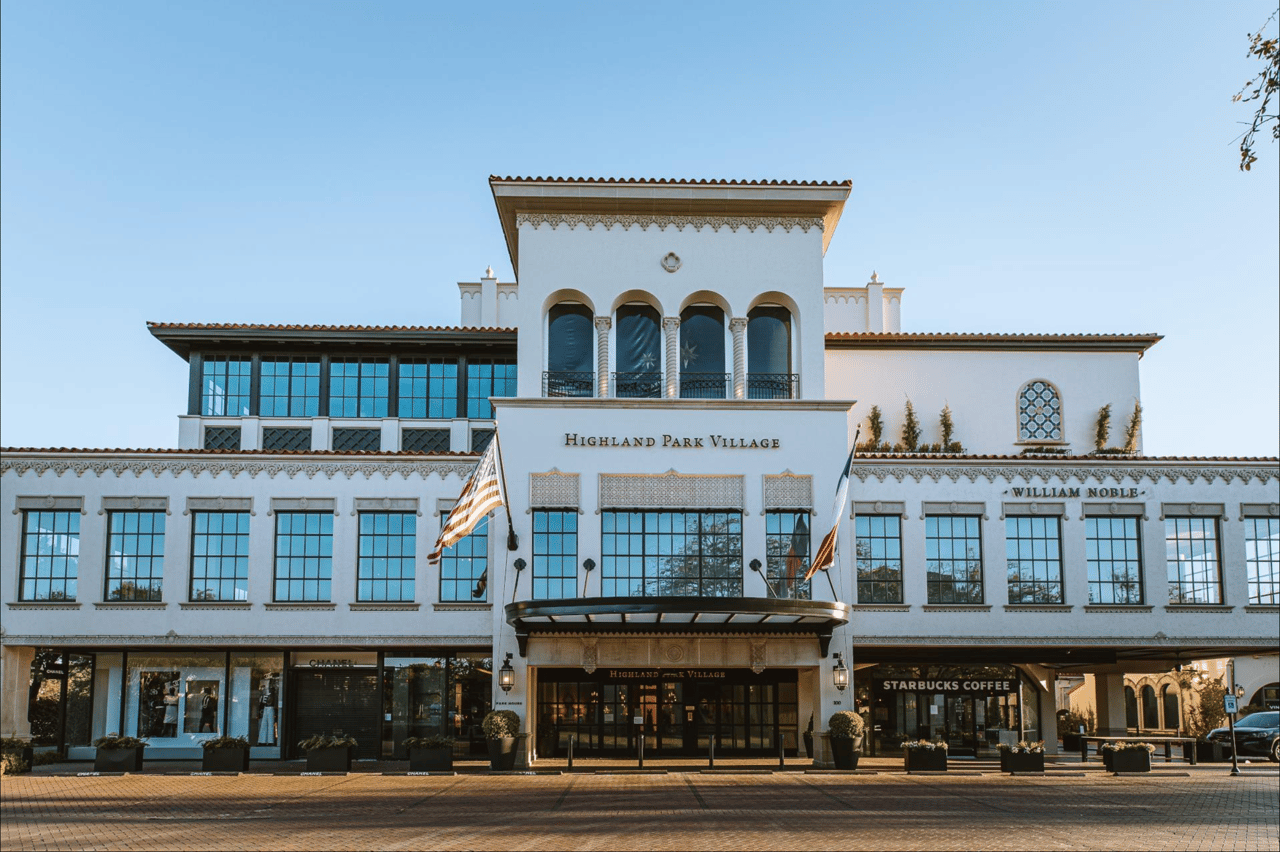
If you’re looking for one of Dallas’ most prestigious luxury addresses, start with Living in Highland Park: A Buyer’s Guide.
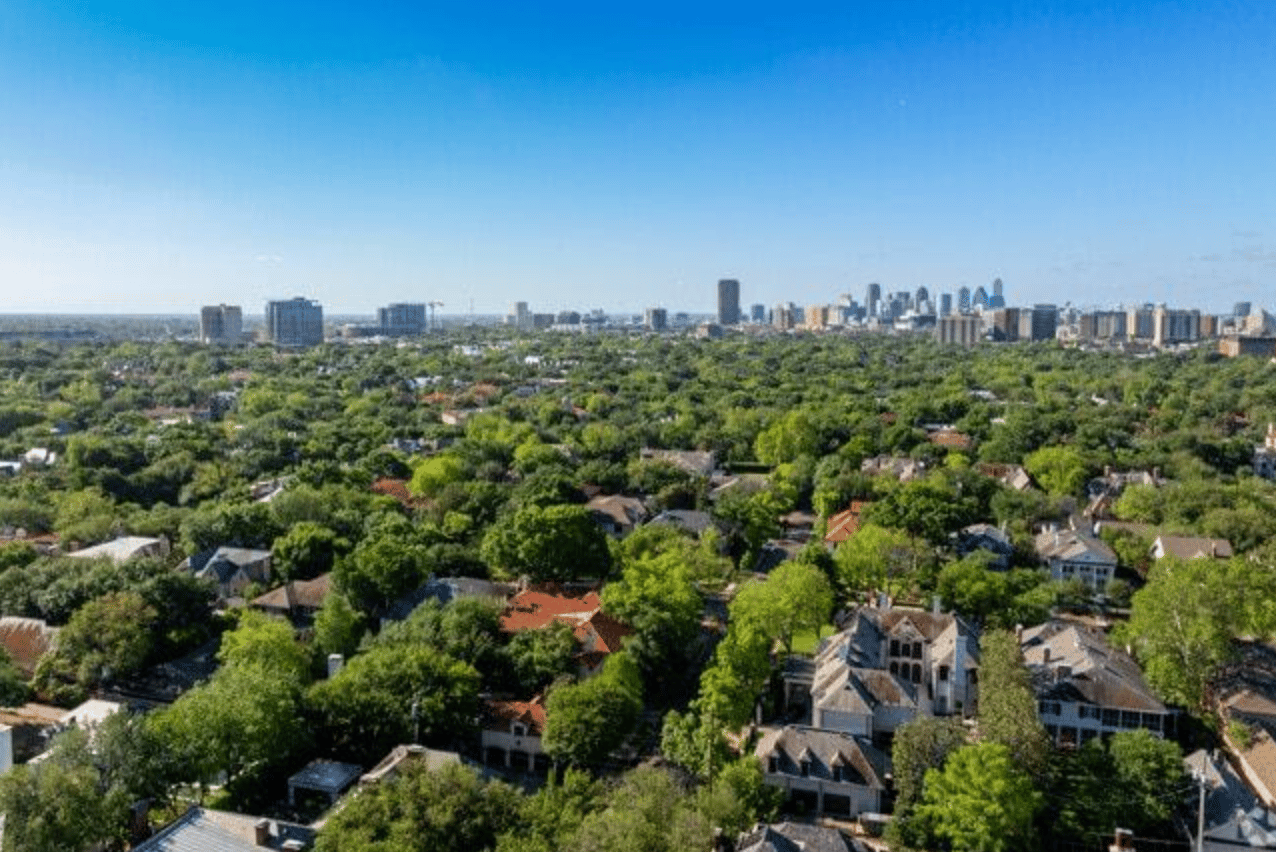
Highland Park is its own municipality within the Park Cities rather than a City of Dallas neighborhood, but it is central to the Dallas luxury conversation.
This is multimillion-dollar real estate where the street, architecture, lot and exact location matter just as much as square footage.
If you’re buying here, we’re talking about luxury strategy—not general Dallas averages.
East Dallas Character: Lakewood
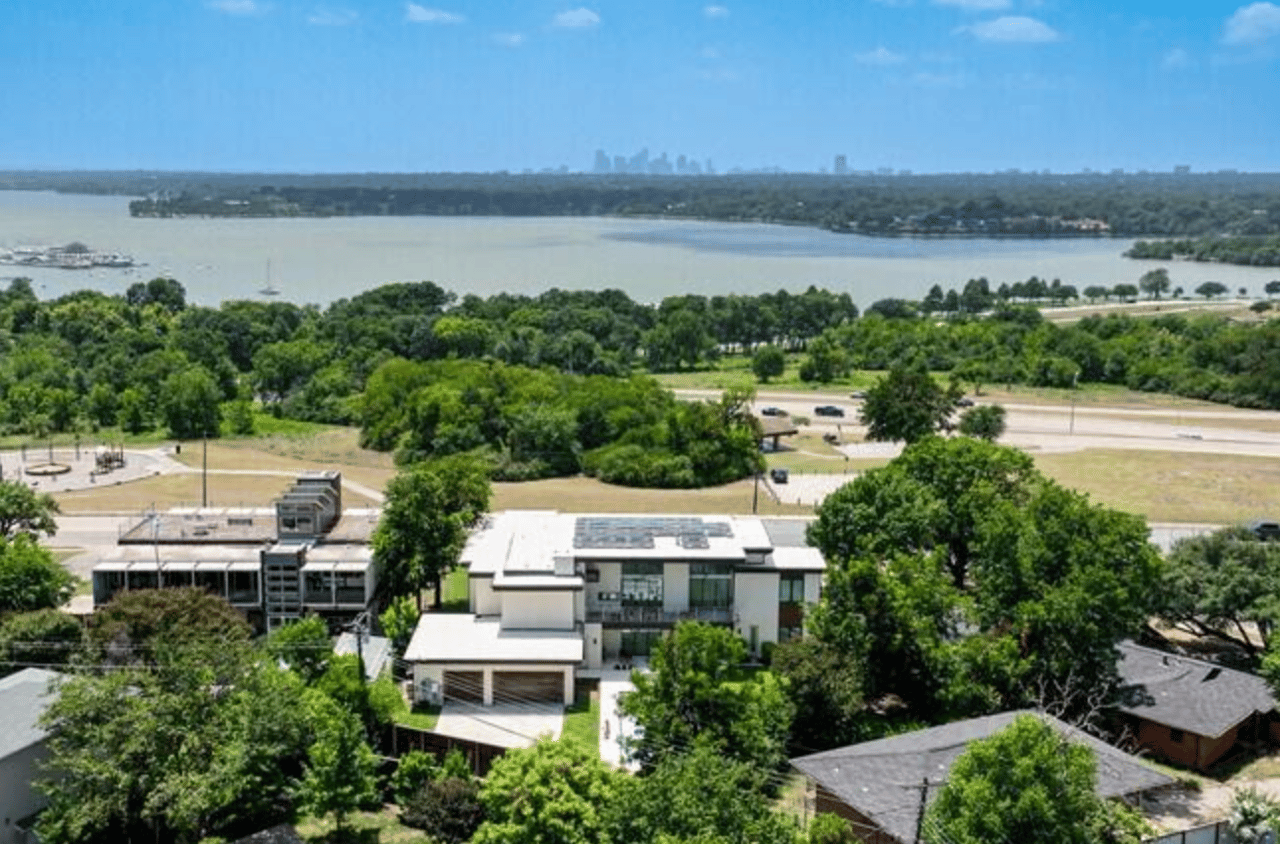
For buyers who want historic architecture, mature trees and White Rock Lake access while staying close to central Dallas, read Lakewood, Dallas: Neighborhood Guide for Buyers and Sellers.
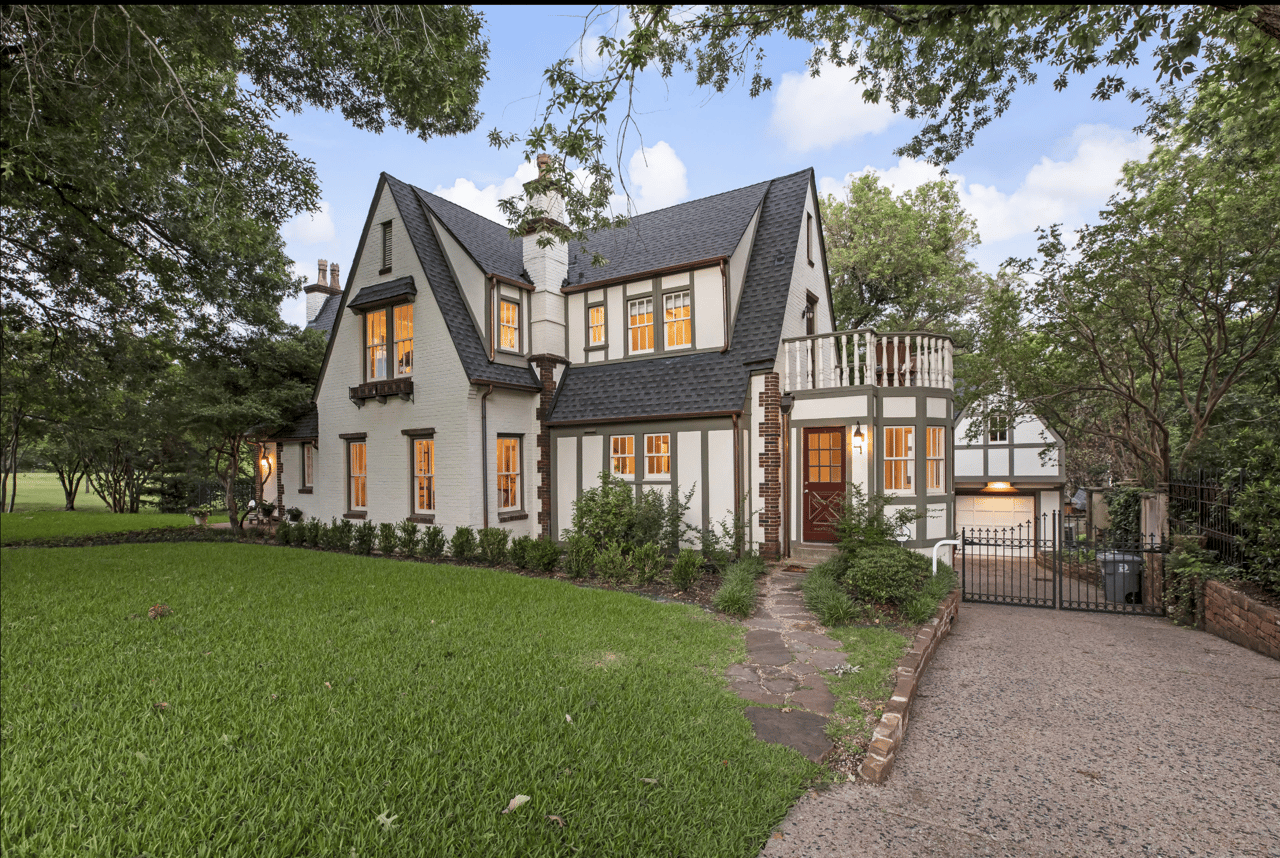
Lakewood gives you Tudors, cottages, renovated historic homes and newer luxury construction.
It’s especially attractive to buyers who want:
character + lake lifestyle + central location.
Estate-Style Luxury: Preston Hollow
If your definition of luxury includes land, privacy and large custom homes, explore Preston Hollow Real Estate: What to Know Before You Buy.
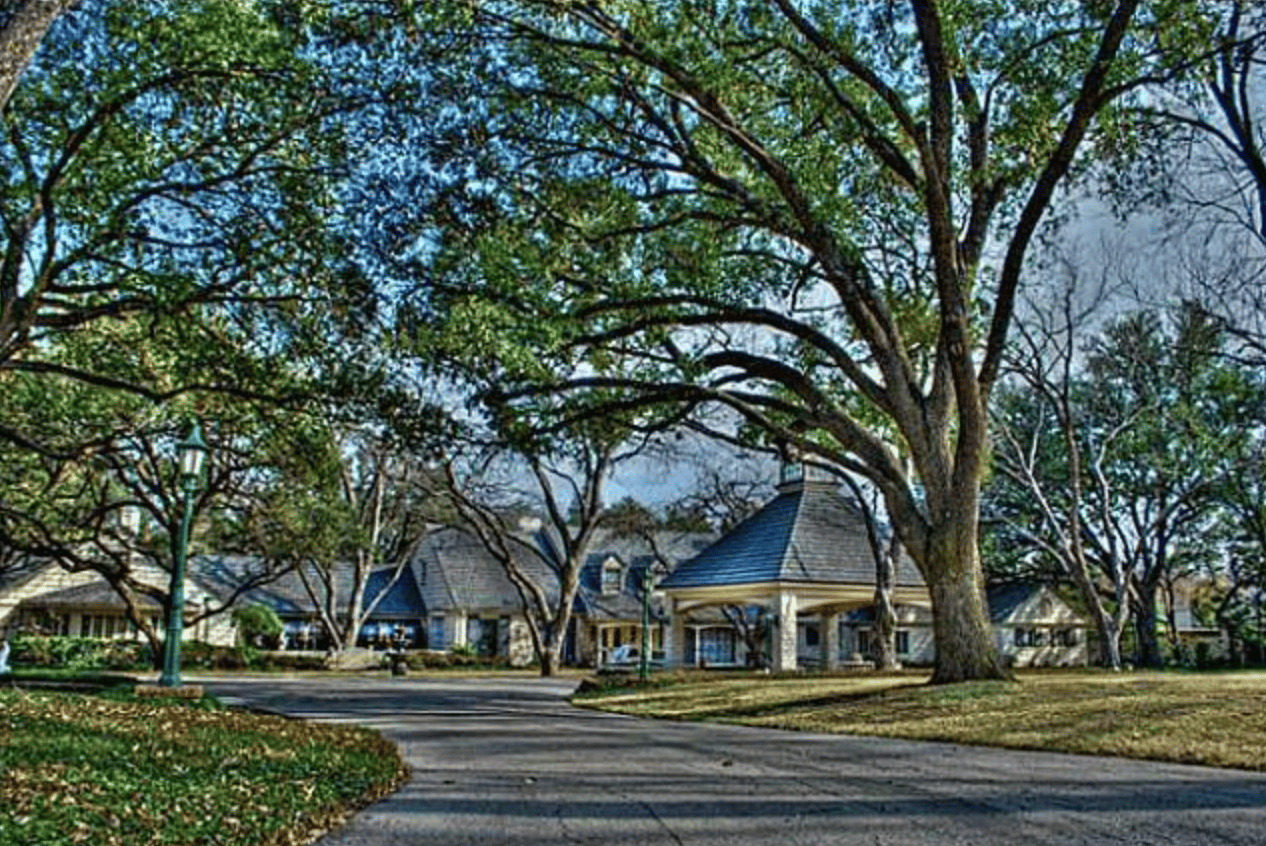
This is where you’ll find estate-size properties, established luxury homes and major new construction.
Preston Hollow and Highland Park may appeal to similarly positioned luxury buyers, but the experience is different.
Highland Park offers the Park Cities environment.
Preston Hollow can give you significantly more land and privacy.
More Affordable Options Near Dallas
Not everybody needs—or wants—a million-dollar Dallas address.
And one of the advantages of DFW is that moving farther from the urban core can dramatically change what your money buys.
Cedar Hill
If your goal is more house, outdoor recreation and prices closer to the $300,000s, start with Moving to Cedar Hill, TX: Cost of Living and Home Prices.
Cedar Hill offers access to Joe Pool Lake, Cedar Hill State Park and communities ranging from established suburban homes to luxury properties around Lake Ridge.
Mesquite
First-time buyers and Dallas commuters should look at Mesquite, TX Homes for Sale: A Complete Neighborhood Overview.
Mesquite’s citywide pricing remains substantially below many close-in Dallas neighborhoods, while access to I-30, I-635, U.S. 80 and I-20 keeps it connected to the city.
This is one of the areas I would explore if your priority is:
single-family home + reasonable Dallas access + lower entry price.
Garland
Garland is one of the best examples of why I don’t like citywide averages.
Read Garland, TX Real Estate Guide: Best Areas to Live because Firewheel, Downtown Garland, Spring Park and the Lake Ray Hubbard side of town can feel like completely different markets.
You can find established homes at more approachable prices while still having access to major highways and DART rail.
North Dallas Suburbs
If your budget is higher and schools, location or commuting toward North Dallas and Plano matter, the conversation changes again.
Richardson
Richardson, TX: Schools, Homes, and Why Families Are Moving Here covers one of DFW’s strongest combinations of established neighborhoods, mature trees, employment access and rail transportation.
Buyers also need to understand that Richardson addresses can fall within Richardson ISD or Plano ISD, depending on the property.
This is another place where school zoning gets verified before you make an offer.
Irving and Las Colinas
If you want something more urban—or need frequent access to DFW Airport—read Irving, TX Neighborhood Guide: Las Colinas and Beyond.
Irving may give you:
- High-rise or condo living around Las Colinas
- Urban residential options around Lake Carolyn
- Traditional homes in Valley Ranch
- Higher-end properties in Hackberry Creek
- DART Orange Line access
- Excellent airport proximity
This is a great example of one city offering completely different lifestyles.
Coppell
If Coppell ISD and a central DFW location are major priorities, start with Coppell, TX Homes for Sale: Top-Rated Schools and Family Living.
Coppell generally commands a higher price than Irving, Garland or Mesquite, but buyers are often paying for the combination of school-district access, established neighborhoods, parks, trails and DFW Airport proximity.
And remember:
A Coppell address does not automatically guarantee Coppell ISD.
Verify the individual property.
Moving East of Dallas
One of the biggest DFW trends I’ve seen is buyers looking east for new construction, land, Lake Ray Hubbard access and more house for the money.
But Rockwall County and the surrounding communities are not all interchangeable.
Rockwall
Start with Rockwall, TX Real Estate: Lakefront Living Near Dallas if Lake Ray Hubbard is a major lifestyle priority.
Rockwall gives buyers established neighborhoods, newer communities, waterfront options, golf and a traditional suburban environment about 22 miles east of Downtown Dallas.
The big tradeoff?
I-30.
If you’re commuting daily, drive it during your actual work hours before you buy.
Heath
Want the Rockwall lifestyle but with larger lots, estate homes and a more upscale residential feel?
Read Heath, TX Homes for Sale: Upscale Living Near Rockwall.
Heath generally runs at a significantly higher price point than Rockwall and includes golf communities, custom homes, waterfront possibilities and luxury new construction.
This is where buyers often choose:
more privacy + bigger lot + higher price.
Royse City
If you want newer construction and need your budget to stretch farther, read Royse City, TX: Why Buyers Are Flocking to This Growing Suburb.
Royse City has been expanding rapidly with multiple master-planned communities and significant new-home inventory.
But this is where buyers need to understand:
- Builder incentives
- PID assessments
- HOA costs
- Property taxes
- Future construction
- Resale competition
New construction can be a great deal.
We still need to know what the real deal is.
Woodcreek in Fate
If you want master-planned amenities without necessarily spending Rockwall or Heath prices, explore Woodcreek Neighborhood Guide: What Buyers Should Know.
Woodcreek gives buyers pools, trails, parks, resale inventory and new construction.
It also requires more homework than buyers sometimes expect because the exact section can affect school district, MUD taxes, builder options and proximity to amenities.
What Does Your Budget Buy Around Dallas?
Here’s why I tell relocation buyers to stay flexible about city names.
Imagine your budget is around $350,000.
That could put you into conversations around Mesquite, Garland, Cedar Hill, Royse City or Woodcreek.
At $500,000, your options expand significantly. You might compare Richardson, Irving, Rockwall, Coppell opportunities, Lakewood alternatives or newer communities farther east.
At $750,000, we can start comparing premium Coppell, Richardson, Rockwall and Heath properties, larger suburban homes and selected central-Dallas options.
And once your budget reaches $1 million and above, the Dallas-area luxury market opens dramatically—but even there, the decision isn’t simply about spending more.
Do you want:
land?
Preston Hollow or Heath may rise on the list.
prestige and central Dallas?
Highland Park.
historic character near White Rock Lake?
Lakewood.
true lake lifestyle?
Rockwall or Heath.
The number tells me what doors we can open.
Your lifestyle tells me which doors are worth opening.
New Construction vs. Resale in DFW
This is another major decision in today’s Dallas market.
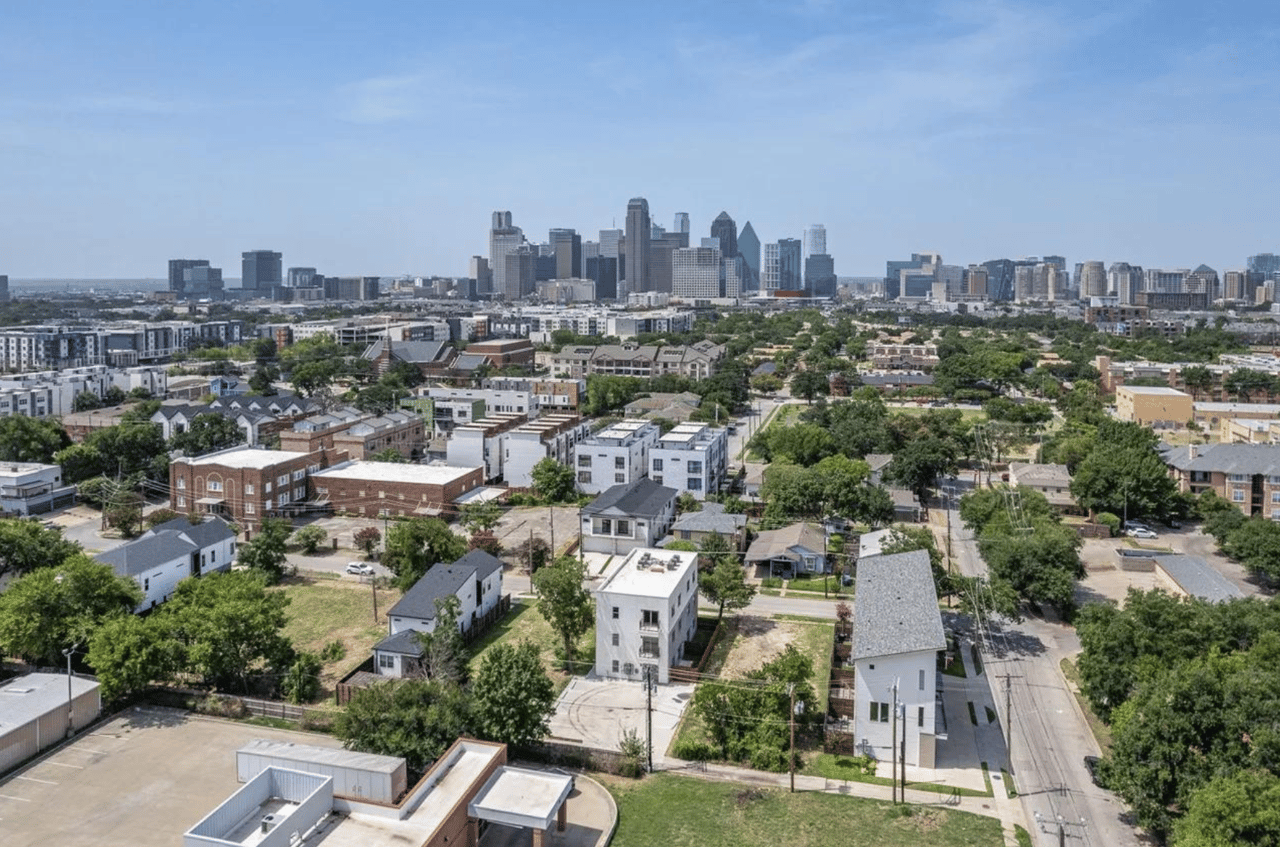
If you stay closer to central Dallas, you’re much more likely to be comparing established homes and renovations.
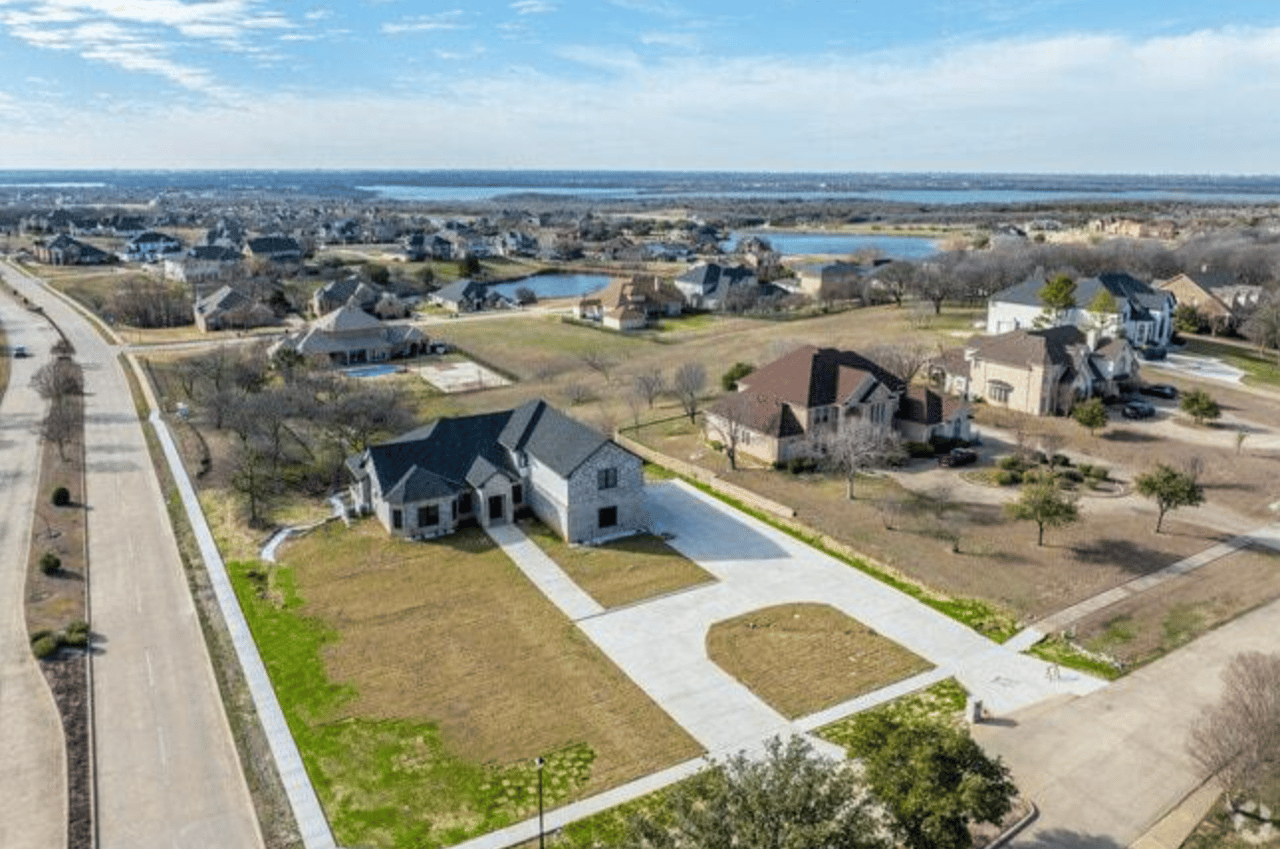
Move farther out, and new construction becomes a much bigger part of the conversation.
New Construction Can Offer
- Builder incentives
- Rate-buydown opportunities
- Newer mechanical systems
- Builder warranties
- Modern floor plans
- Energy-efficient features
- Master-planned amenities
But you’re also evaluating:
- Builder quality
- Lot premium
- HOA
- PID or MUD costs
- Property taxes
- Future phases
- Construction around you
- Resale competition with the builder
And I recommend independent inspections on new construction.
Brand new does not mean perfect.
Resale Can Offer
- Established streets
- Mature landscaping
- Finished neighborhoods
- Potentially larger lots
- Known surrounding development
- More opportunity to negotiate
- Existing upgrades already installed
But older homes require us to pay attention to:
- Foundation
- Sewer line
- Plumbing
- Electrical
- Roof
- HVAC
- Drainage
- Windows
- Previous renovations
I don’t choose new versus resale for you.
I help you understand what you’re gaining and what you’re giving up with each one.
What About Property Taxes?
Texas does not have an individual state income tax, but property taxes are an important part of the cost of owning a home.
And throughout DFW, the tax picture can vary dramatically from one property to another.
You may have:
- City taxes
- County taxes
- School-district taxes
- Special districts
- MUD taxes
- PID assessments
- HOA dues
That’s why I don’t want buyers saying:
“My lender told me I qualify for a $450,000 house, so show me every $450,000 house.”
Two homes with the same sales price can have very different monthly payments.
Before we make an offer, I want you understanding:
principal + interest + taxes + insurance + HOA + special assessments
as closely as we can estimate them.
Your approval amount and your comfortable monthly payment are not always the same number.
School Districts Around Dallas
School zoning is another reason DFW real estate requires local knowledge.
Depending on where we’re searching, we may be dealing with districts including:
- Dallas ISD
- Highland Park ISD
- Richardson ISD
- Plano ISD
- Garland ISD
- Mesquite ISD
- Cedar Hill ISD
- Irving ISD
- Carrollton-Farmers Branch ISD
- Coppell ISD
- Rockwall ISD
- Royse City ISD
And city boundaries do not always match school-district boundaries.
A Richardson address may be Plano ISD.
An Irving address may be Coppell ISD or Carrollton-Farmers Branch ISD.
A Coppell address may fall outside Coppell ISD.
A Woodcreek home may have different school zoning depending on its section.
That’s why my rule is simple:
If school assignment matters, verify the exact address directly with the district before making the purchase decision.
Third-party real estate websites are a starting point.
They’re not the final answer.
The Dallas Commute Can Change Which House Makes Sense
DFW is spread out.
Ten miles does not always mean ten minutes.
And a beautiful home can become a lot less beautiful after you’ve spent 90 minutes in traffic every day.
When we’re choosing between Dallas-area communities, I want to know where you actually need to go:
Downtown Dallas?
Las Colinas?
Plano?
DFW Airport?
North Dallas?
Remote office three days a week?
Those answers matter.
A buyer working in Las Colinas may love Coppell or Irving.
Someone commuting Downtown daily may prioritize Richardson or central Dallas differently.
A hybrid worker may decide Rockwall, Heath, Fate or Royse City is worth the longer drive because they only make it twice a week.
There isn’t a “best suburb.”
There is a suburb that works best for the way you actually live.
Is Dallas Still a Good Place to Buy a Home?
The better question is:
Can you buy the right property at a number that works for your plans?
Texas housing researchers describe the 2026 market as showing early signs of stabilization after a period of rising inventory and price pressure. Affordability remains challenging, but the imbalance between supply and demand appears to be easing rather than worsening.
That can create opportunity.
Not because every home is suddenly cheap.
They’re not.
But because buyers have more ability to compare.
Negotiate.
Inspect.
Think.
And choose.
For someone planning to stay in the home for years, that can be much healthier than buying during an environment where you feel forced to make a decision in 15 minutes.
Should You Wait for Prices or Rates to Drop?
Nobody can reliably tell you exactly what home prices or mortgage rates will do next.
What we can evaluate is your current situation.
Does the payment make sense?
Do you have sufficient savings after closing?
Is the property priced appropriately?
How long do you expect to own it?
Does the home work for your next stage of life?
Are there opportunities to negotiate?
Could builder or seller incentives improve the numbers?
That’s a much better conversation than trying to perfectly time the market.
I don’t want you buying because somebody scared you into thinking you’ll “miss out.”
And I don’t want you sitting on the sidelines indefinitely because you’re waiting for a market condition nobody can guarantee.
We make the decision based on your numbers and your goals.
Selling a Home in Dallas in 2026
If you’re considering selling, your strategy matters more now than it did when almost anything could hit the market and immediately receive multiple offers.
Today’s buyer has more choices.
So before listing, I want us to answer:
What are buyers actually paying in your neighborhood?
What homes are currently competing with yours?
How long are they sitting?
Which ones reduced their prices?
What condition are they in?
Which upgrades will buyers actually value?
What needs to be fixed before listing?
How should we position the property online?
Remember that the City of Dallas is currently seeing an average sale-to-list ratio around 97.3%, while more than a third of listings have experienced a price reduction.
That doesn’t mean you have to give your house away.
It means we need to price with evidence.
Buying a Home in Dallas in 2026
For buyers, I would focus on five things.
1. Know Your Real Monthly Number
Not just the price your lender says you technically qualify for.
2. Choose the Location Before the House
A beautiful house cannot fix the wrong commute or wrong neighborhood.
3. Verify Schools and Taxes
Before you’re under contract.
4. Inspect Everything
Older house, renovated house, luxury house or brand-new house.
5. Negotiate Based on the Property
Not based on a headline saying it’s a “buyer’s market.”
Some homes have leverage.
Some don’t.
Our job is knowing the difference.
Where Should You Start Your Dallas Home Search?
If you’re relocating and all of these city names are starting to blend together, don’t worry.
You don’t need to know the entire Metroplex.
Start with four things:
- Budget.
- Commute.
- Lifestyle.
- Non-negotiables.
From there, we can narrow Dallas-Fort Worth down quickly.
Maybe you belong in Lakewood.
Maybe it’s Richardson.
Maybe you need the lake, and Rockwall wins.
Maybe you want a brand-new home, and Royse City gives you exactly what you’re looking for.
Maybe your goal is luxury, and we’re comparing Highland Park, Preston Hollow and Heath.
That’s the part of real estate I love.
We’re not trying to find the best house in Dallas.
We’re trying to find the best house for you.
If you’re considering buying, selling, or relocating anywhere in the Dallas-Fort Worth area, I can help you compare neighborhoods, understand the current numbers, and build a strategy around what you’re actually trying to accomplish.
Curious what your current home could be worth before making a move anywhere in DFW? Get a free home valuation. Ready to see what's available across Dallas County right now? Browse homes here.
Ready to make your move in DFW? Contact Lorene Viquez here and let’s talk about your next move.